
Lake Michigan Salmon Fishing for Beginners: A Starter Guide
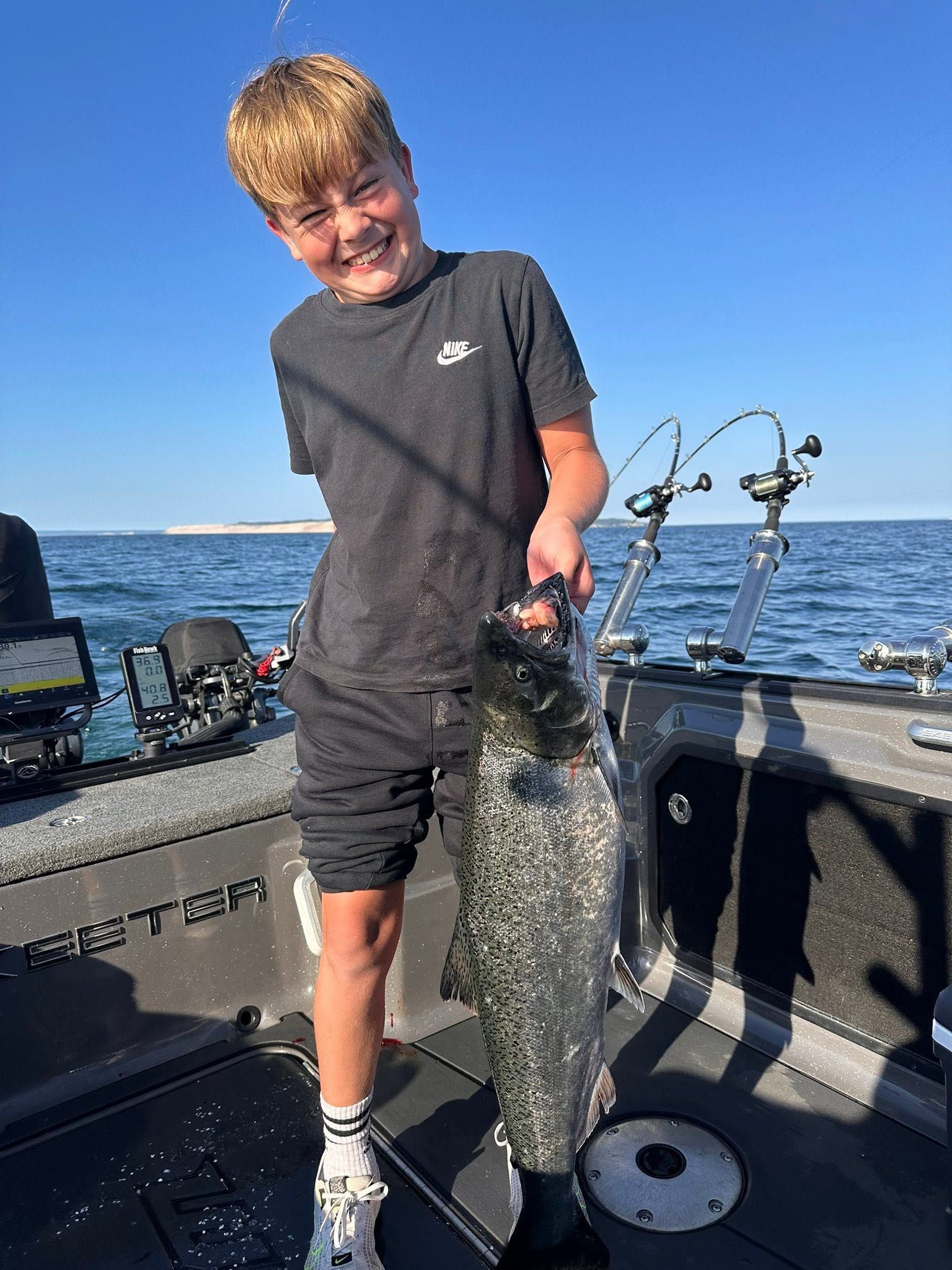
Your First Salmon Trip Starts Here
Learn the basics on a relaxed Lake Michigan outing with Captain Bob.
Published:
Updated:
Lake Michigan salmon fishing has a reputation for being a big-water sport, and that reputation scares off plenty of people who would love it. You do not need to arrive knowing how to read the lake or rig a line. Most first-timers show up with the same handful of questions, and the answers are simpler than you might expect. This guide walks through what the day looks like, how to get ready, and where a guide fits in.
What Salmon Fishing on Lake Michigan Actually Involves
Salmon fishing here is not like casting from a dock or wading a small stream. It happens on open water, from a boat, and much of the work is done before a fish ever bites. The captain finds where the fish are holding, sets up the gear and runs the boat at the right speed and depth. Your job as a beginner is to be ready when a rod bends and to learn what to do next.
Captain Bob Hinds of Central Coast Angling is based in Traverse City, Michigan, and has more than 30 years of hands-on fishing experience in Northern Michigan waters. His Lake Michigan trips target salmon, with trout and whitefish also part of the picture on his lake outings. For a beginner, that variety is a good thing. A day with several possible catches gives you more chances to learn how each one fights and how to handle it.
Why Trolling Is a Good Fit for New Anglers
Deep-water salmon fishing on the lake is often done by trolling, which means lines are set out behind a moving boat. It sounds technical, and the setup is, but the captain handles that part. You are not expected to tie complicated rigs or choose lures on your own. That takes a lot of pressure off a first trip.
What you do get to learn is the rhythm of the day. Rods sit in holders while the boat moves, and you watch them for the tip to bounce or bend. When a fish hits, the captain tells you which rod it is and how to take it. Hearing that coaching in real time sticks far better than reading about it, and it is one of the main reasons a guided trip works so well for beginners.
How to Prepare Before You Go
You do not need to buy a pile of gear. What helps most is simple preparation, mostly about comfort and staying relaxed on the water.
- Dress in layers, since conditions on the lake can feel different from conditions on shore.
- Wear shoes with grip that you do not mind getting wet.
- Bring sun protection such as a hat and sunglasses.
- Pack water and a snack so you are not distracted by hunger.
- Ask your captain before the trip what to bring and what is already on the boat.
That last point matters more than it looks. Rather than guessing, a quick question to the captain settles it. Each trip can be a little different, so getting the specifics from the person running your day beats relying on a generic checklist.
Learning the Basics Without the Pressure
Plenty of new anglers worry about looking clumsy in front of a stranger. A good guide knows everyone starts somewhere, and the pace of the day should reflect that. Captain Bob's rate card for learning the basics is built around a relaxed lake outing, which is the right setting for a first attempt. You can ask questions, try things twice, and take your time with a fish on the line.
The basics worth picking up on a first trip are not complicated. You learn how to hold the rod when a fish is on, how to keep steady tension rather than yanking, and when to let a fish run instead of fighting it head on. You also learn how the boat, the lines and the captain work together. Once you see that, the rest of the sport starts to make sense, and you can decide how deep you want to go with it.
What a Guided Fishing Trip Gives You
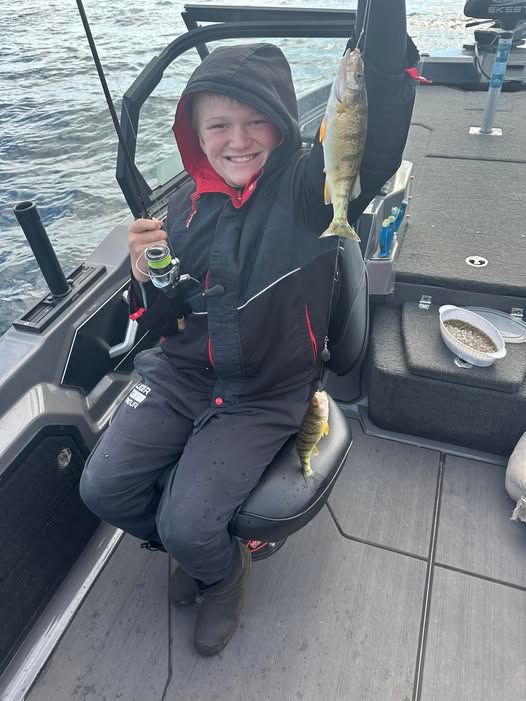
You could try to learn Lake Michigan salmon fishing on your own, but it would take a long time and a lot of trial and error. A guided fishing trip skips most of that. The captain knows the water, picks where to fish, and adjusts when the plan is not working. You spend the day catching and learning instead of guessing.
Bob's trips run from a 22 foot Skeeter center console, and his experience on both the lake and the Manistee River means he has seen a wide range of conditions and anglers. That background shows up in small ways, like how he explains a step before you need it or how he reads a quiet stretch of water. For someone new, that patience is worth as much as the fishing knowledge itself.
Setting Realistic Expectations
Fishing is never guaranteed, and a good guide will not pretend otherwise. What you can expect is a day on big water with someone who knows how to put you in front of fish and explain what is happening. Some trips are busier than others, and that is part of the sport.
Go in wanting to learn and enjoy the lake, and the catching becomes a bonus rather than the whole point. That mindset makes the first trip a lot more fun, and it is the one that tends to bring people back to the water on their own terms.
Taking the Next Step
If Lake Michigan salmon fishing has been on your list, a relaxed first outing is the easiest way in. Look at the trip options with Captain Bob, pick the one that matches how much you want to learn, and get in touch with any questions before you book. A first day on the lake does not have to be intimidating. With the right captain, it is mostly just a good day on the water.